
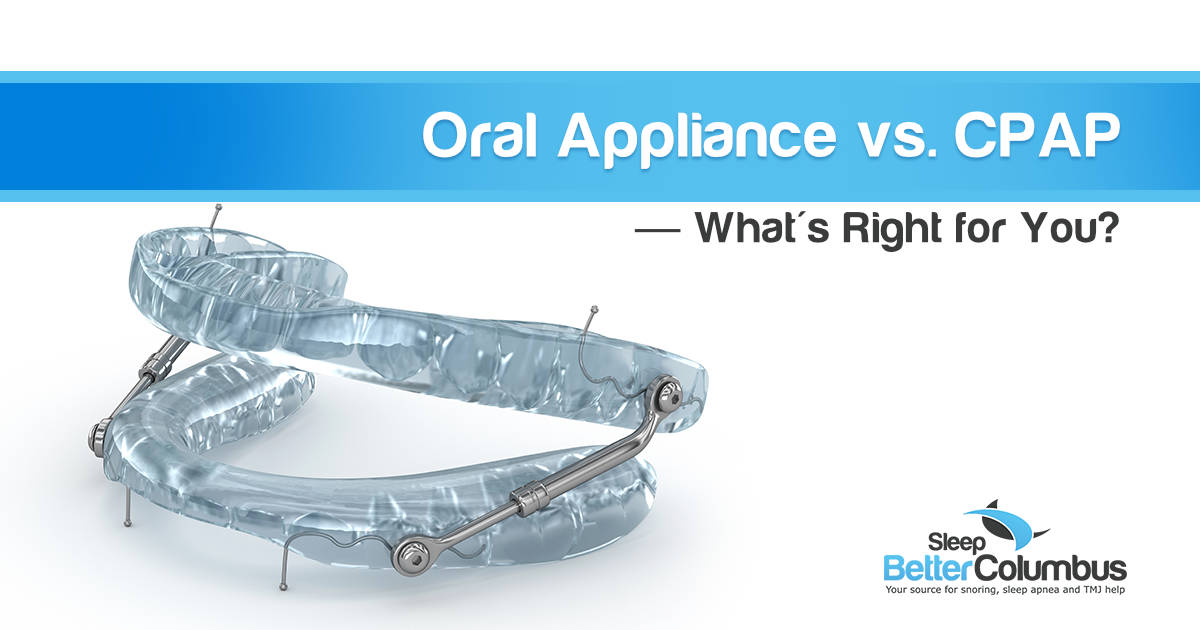
When comparing oral appliance vs CPAP treatment options, many individuals with sleep apnea want to understand which approach may be the best fit for their condition, lifestyle, and treatment goals. Left untreated, obstructive sleep apnea can contribute to cardiovascular issues, daytime fatigue, difficulty concentrating, and other health concerns. For individuals diagnosed with sleep apnea, understanding available treatment options is an important step toward achieving better sleep and long-term wellness.
Two of the most common treatments for obstructive sleep apnea are Continuous Positive Airway Pressure (CPAP) therapy and oral appliance therapy. Both approaches are designed to improve breathing during sleep, but they work in different ways and may be better suited for different patients. Understanding the benefits, limitations, and ideal candidates for each option can help individuals make informed decisions about their care.
Understanding Sleep Apnea Treatment Options
Why Treatment Matters for Obstructive Sleep Apnea
Obstructive sleep apnea occurs when the muscles in the throat relax during sleep and partially or completely block the airway. These airway obstructions can cause repeated breathing interruptions throughout the night, reducing oxygen levels and disrupting normal sleep patterns. Many individuals with sleep apnea experience symptoms such as loud snoring, daytime fatigue, morning headaches, and difficulty staying focused during the day.
Treating sleep apnea is important because the condition affects more than just sleep quality. Untreated sleep apnea has been associated with increased risks of high blood pressure, heart disease, stroke, and metabolic disorders. Effective treatment helps restore healthy breathing patterns and supports better overall health.
The Two Most Common Treatment Paths
CPAP therapy has long been considered a standard treatment for obstructive sleep apnea. It uses positive airway pressure to keep the airway open during sleep and is often recommended for moderate to severe cases. Many sleep specialists view CPAP as a highly effective option when patients use it consistently.
Oral appliance therapy provides another treatment option for individuals with mild to moderate sleep apnea, as well as those who have difficulty using CPAP therapy. These custom-fitted devices are worn during sleep and work by gently repositioning the lower jaw to help keep the airway open. Many patients prefer this solution because it is comfortable, easy to use, and convenient for everyday life.
What Is CPAP Therapy and How Does It Work?
How a CPAP Machine Keeps Airways Open
A CPAP machine delivers a steady stream of air through a mask worn over the nose or mouth during sleep. The continuous airflow creates enough pressure to prevent the airway from collapsing, allowing normal breathing throughout the night. This approach directly addresses airway obstruction and helps reduce sleep apnea events.
Most CPAP systems include a machine, tubing, and a mask designed to fit comfortably on the face. Modern devices often include adjustable settings, humidification features, and data tracking capabilities. Sleep specialists typically use the results of a sleep study to determine the appropriate pressure settings for each patient.
Benefits of CPAP Therapy
CPAP therapy is widely recognized for its effectiveness in treating obstructive sleep apnea. When used as prescribed, it can significantly reduce apnea events, improve oxygen levels, and enhance sleep quality. Many patients also report improvements in daytime alertness and overall well-being.
CPAP is particularly effective for individuals with moderate to severe sleep apnea. It can provide immediate symptom relief and is supported by extensive clinical research. For many patients, CPAP remains an important part of successful long-term treatment.
Common Challenges With CPAP Compliance
Despite its effectiveness, some patients find CPAP therapy difficult to use consistently. Wearing a mask throughout the night can feel uncomfortable for certain individuals, and some experience issues such as air leaks, skin irritation, or feelings of claustrophobia. These challenges can affect treatment adherence over time.
Traveling with a CPAP machine can also create inconveniences for some patients. The need for equipment, power sources, and maintenance may make regular use more difficult in certain situations. As a result, some individuals seek alternative sleep apnea treatment options that better fit their lifestyle.
What Is an Oral Appliance for Sleep Apnea?
How Oral Appliance Therapy Works
Oral appliance therapy uses a custom oral appliance that is worn during sleep to help keep the airway open. Most devices function as mandibular advancement devices, gently moving the lower jaw forward to prevent the tissues in the throat from collapsing. This repositioning helps reduce airway obstruction and promotes more consistent breathing.
Unlike CPAP therapy, oral appliance therapy does not require a machine, mask, or electrical power source. The device is small, portable, and designed specifically for the patient’s mouth. This personalized approach is one reason many patients find oral appliance therapy appealing.
Benefits of an Oral Appliance for Sleep Apnea
Many patients appreciate the comfort and convenience associated with oral appliance therapy. The device is compact, easy to transport, and generally simple to incorporate into a nightly routine. These advantages can make treatment feel less disruptive to everyday life.
Oral appliance therapy may also improve treatment adherence for certain patients. Because the device is less cumbersome than a CPAP machine, some individuals find it easier to wear consistently. Consistent use is an important factor in achieving successful sleep apnea treatment outcomes.
Potential Limitations of Oral Appliance Therapy
Oral appliance therapy may not be appropriate for every patient with sleep apnea. The effectiveness of treatment depends on factors such as the severity of the condition, airway anatomy, and individual health considerations. A thorough evaluation is necessary to determine candidacy.
Some patients may experience temporary jaw discomfort, tooth movement, or changes in bite alignment. These issues are often manageable with proper monitoring and follow-up care. Working with an experienced provider helps ensure the appliance fits properly and functions as intended.
Oral Appliance vs. CPAP: Comparing Effectiveness by Severity
Mild Sleep Apnea Treatment Considerations
For individuals with mild obstructive sleep apnea, both CPAP therapy and oral appliance therapy may be effective treatment options. The best choice often depends on patient preference, comfort, and the likelihood of consistent use. Treatment recommendations should always be based on professional evaluation and sleep study results.
Many patients with mild sleep apnea find oral appliance therapy to be a practical solution. The simplicity of the device often encourages regular use and supports long-term treatment success. Comfort can play a major role in maintaining adherence over time.
Moderate Sleep Apnea Treatment Considerations
Patients with moderate sleep apnea may be candidates for either CPAP therapy or oral appliance therapy, depending on their individual circumstances. CPAP may provide greater reduction in apnea events in some cases, while oral appliances may offer advantages related to comfort and convenience. Treatment decisions should consider both clinical effectiveness and patient compliance.
A personalized assessment is important when evaluating moderate sleep apnea treatment options. Sleep specialists and dental sleep medicine providers can help determine which approach is most appropriate. Individual health factors and treatment goals should guide the decision-making process.
Severe Sleep Apnea Treatment Considerations
For severe obstructive sleep apnea, CPAP therapy is often recommended because of its ability to provide consistent airway support. The treatment has demonstrated strong effectiveness in reducing breathing interruptions and improving oxygen levels. Many severe cases benefit from the comprehensive airway management provided by CPAP.
However, effectiveness depends on whether the therapy is used consistently. If a patient struggles to tolerate CPAP, alternative options may be explored as part of a comprehensive treatment plan. A qualified provider can help determine the most appropriate strategy for each situation.
Oral Appliance vs. CPAP: Comparing Comfort and Compliance
Why Comfort Influences Treatment Success
Comfort is an important consideration when evaluating sleep apnea treatment options. Even the most effective treatment can have limited value if it is not used regularly. Long-term success often depends on finding a solution that fits comfortably into a patient’s lifestyle.
Patients have different preferences and experiences when it comes to treatment. Some adapt quickly to CPAP therapy and achieve excellent results, while others find oral appliance therapy easier to incorporate into their nightly routine. Individual comfort levels can significantly influence treatment outcomes.
CPAP Compliance Rates Compared to Oral Appliance Use
Research has shown that CPAP therapy can be highly effective when patients use it consistently. However, compliance challenges remain one of the most common barriers to successful treatment. Factors such as mask discomfort and equipment maintenance can affect long-term adherence.
Oral appliance therapy may offer higher real-world usage rates for some patients because of its simplicity and portability. While CPAP may demonstrate greater effectiveness under ideal conditions, treatment adherence often plays a major role in determining actual outcomes. Consistent use is essential regardless of the chosen therapy.
Why Consistent Treatment Adherence Matters
Successful sleep apnea treatment depends on more than selecting the most effective therapy on paper. A treatment that remains unused cannot provide meaningful health benefits. Long-term treatment success requires a solution that patients are willing and able to use consistently.
Healthcare providers often evaluate both effectiveness and likelihood of adherence when recommending treatment. The goal is to identify an option that delivers reliable results while supporting long-term compliance. This personalized approach helps improve overall sleep quality and health outcomes.
Travel, Convenience, and Daily Lifestyle Considerations
Lifestyle factors can influence treatment preferences. Frequent travelers may appreciate the portability and convenience of a sleep apnea oral device compared to carrying a CPAP machine and accessories. Simplicity can make a significant difference for patients with active schedules.
Oral appliances are small enough to fit easily into luggage and do not require electricity during use. CPAP machines continue to be an excellent option for many patients, but portability may be an important consideration for others. Evaluating daily routines can help identify the most practical solution.
Who Is a Good Candidate for an Oral Appliance?
Patients Who Struggle With CPAP Therapy
Some patients have difficulty adapting to CPAP therapy despite repeated efforts. Challenges such as mask discomfort, air leaks, and interrupted sleep can make treatment difficult to maintain. For these individuals, oral appliance therapy may provide an alternative path to treatment.
An oral appliance can offer a less intrusive experience while still addressing airway obstruction during sleep. Many patients appreciate the simplicity of the device and its ease of use. Alternative treatment options can help individuals continue managing sleep apnea effectively.
Patients Seeking a CPAP Alternative
Individuals who prefer a less equipment-intensive treatment may be interested in oral appliance therapy. The compact design and ease of use appeal to many patients who value convenience and flexibility. Personal preferences often play an important role in treatment decisions.
Patients who travel frequently or want a more discreet treatment option may also benefit from exploring oral appliance therapy. Every case is unique, and a professional evaluation is necessary to determine suitability. Treatment recommendations should always be based on individual needs and clinical findings.
Factors a Sleep Professional Will Evaluate
Healthcare providers consider several factors when determining whether oral appliance therapy is appropriate. These factors may include sleep study results, severity of sleep apnea, airway anatomy, and overall health status. A comprehensive evaluation helps identify the most effective treatment approach.
Providers may also assess lifestyle considerations and previous experiences with CPAP therapy. Understanding patient goals and challenges helps guide treatment recommendations. Personalized care remains essential for achieving successful outcomes.
Which Sleep Apnea Treatment Is Right for You?
Questions Patients Should Ask About Sleep Apnea Treatment
Patients evaluating sleep apnea treatment options should ask questions about effectiveness, comfort, compliance, and long-term expectations. Understanding how each treatment works can help individuals make informed decisions about their care. Open communication with a healthcare provider is an important part of the process.
Questions about treatment adherence, lifestyle compatibility, and expected outcomes can provide valuable insight. Patients should also discuss any concerns related to comfort, travel, or daily use. A collaborative approach helps ensure treatment recommendations align with individual needs.
The Importance of Personalized Care
There is no single sleep apnea treatment that is right for every patient. CPAP therapy and oral appliance therapy each offer unique advantages, and the best choice depends on individual circumstances. Factors such as severity, comfort preferences, and treatment goals all influence the decision.
For individuals interested in learning more about available treatment options, exploring an oral appliance therapy evaluation can provide valuable guidance. Learn more about oral appliance therapy and how it may fit into a personalized sleep apnea treatment plan through Sleep Better Columbus.
Explore Whether Oral Appliance Therapy Could Be the Right Sleep Apnea Treatment
A comprehensive evaluation can help determine whether CPAP therapy or a custom oral appliance is the most appropriate solution for long-term treatment success. Choosing between an oral appliance and CPAP therapy is an important decision that should be based on clinical findings, lifestyle considerations, and personal preferences. Working with experienced sleep professionals can help patients understand their options and identify the most appropriate treatment path.
