
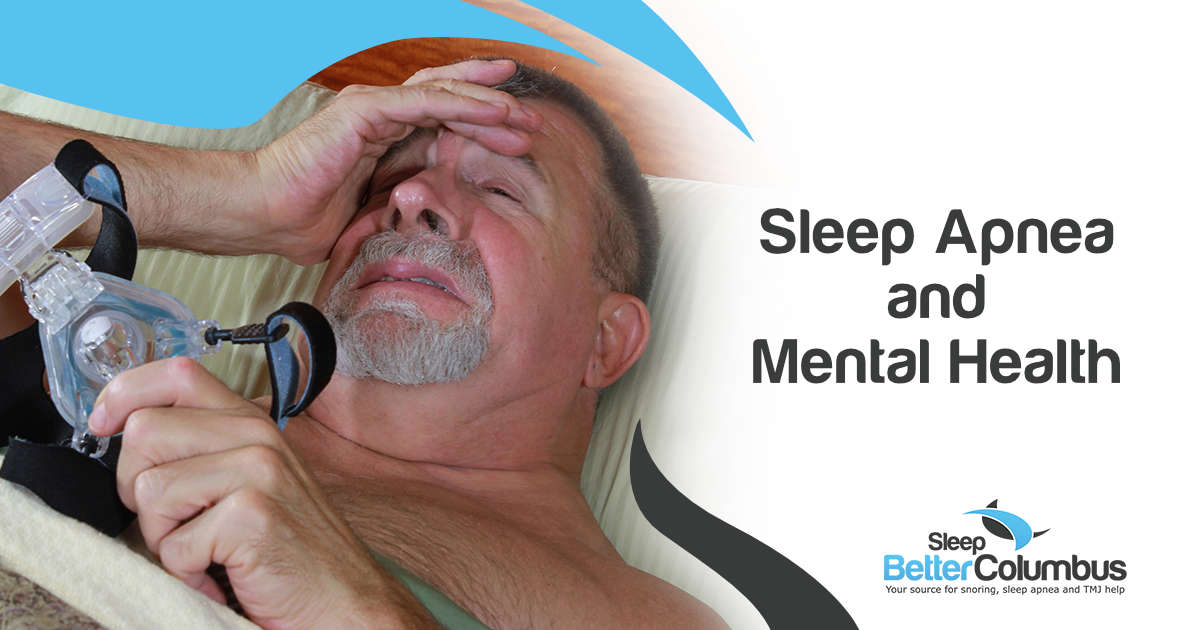
Sleep apnea and mental health are closely connected, yet many people do not realize how significantly one can affect the other. Individuals living with untreated sleep apnea often experience symptoms such as depression, anxiety, irritability, and difficulty concentrating without recognizing that disrupted breathing during sleep may be contributing to these challenges. Understanding the relationship between sleep apnea and mental health can help individuals seek appropriate care and improve their overall quality of life.
How Sleep Apnea and Mental Health Affect One Another
Sleep apnea is a sleep disorder characterized by repeated pauses in breathing throughout the night. These interruptions reduce oxygen levels, fragment sleep, and prevent the body from reaching the restorative stages necessary for physical and emotional recovery. Over time, these disruptions can have a significant impact on mood, cognitive function, and mental well-being.
The relationship between sleep apnea and mental health is often bidirectional. Untreated sleep apnea can worsen symptoms of depression and anxiety, while existing mental health conditions may contribute to sleep disturbances that further affect overall health. As these issues influence one another, individuals may find themselves trapped in a cycle that becomes increasingly difficult to break.
What Happens During Untreated Sleep Apnea
When a person’s airway becomes partially or completely blocked during sleep, breathing may stop dozens or even hundreds of times each night. Although these interruptions are often brief, the brain must repeatedly awaken the body to restore normal breathing. Most individuals do not remember these awakenings, but the cumulative effect can be substantial.
Because sleep is repeatedly interrupted, the body struggles to complete the natural sleep cycles needed for restoration. Deep sleep and REM sleep may be shortened or fragmented, limiting the brain’s ability to recover from daily stressors. As a result, daytime fatigue and emotional instability can become increasingly common.
Why Healthy Sleep Is Essential for Emotional Well-Being
Quality sleep plays a critical role in emotional regulation and mental resilience. During restorative sleep, the brain processes emotions, consolidates memories, and supports healthy cognitive function. When sleep becomes fragmented night after night, these processes can become impaired.
Research has consistently shown that inadequate sleep can contribute to mood disturbances and increased emotional sensitivity. Individuals who experience chronic sleep disruption may find it more difficult to manage stress, maintain focus, and respond calmly to everyday situations. Over time, these challenges can affect personal relationships, work performance, and overall well-being.
The Link Between Sleep Apnea and Depression
Sleep apnea and depression frequently occur together, and the connection between the two conditions is well-documented. Individuals with untreated sleep apnea often report symptoms commonly associated with depression, including persistent fatigue, low energy levels, reduced motivation, and feelings of sadness. Because these symptoms overlap, sleep apnea may sometimes go unrecognized.
Sleep deprivation affects several brain functions involved in mood regulation. Repeated sleep interruptions can interfere with neurotransmitter activity and increase inflammation within the body, both of which have been linked to depressive symptoms. As sleep quality continues to decline, emotional health may deteriorate as well.
How Sleep Fragmentation Impacts Mood Regulation
Healthy mood regulation depends on consistent, restorative sleep. When sleep is repeatedly disrupted by breathing interruptions, the brain has fewer opportunities to recover and regulate emotional responses effectively. This can lead to increased irritability, frustration, and emotional instability.
Individuals experiencing chronic sleep fragmentation may notice that everyday challenges feel more overwhelming than usual. Small stressors may trigger stronger emotional reactions, and motivation may decrease over time. These changes can resemble depression even when the underlying issue originates with sleep-disordered breathing.
Signs That Depression Symptoms May Be Connected to Sleep Apnea
Some symptoms may suggest that sleep apnea is contributing to depressive feelings. Excessive daytime sleepiness, loud snoring, morning headaches, and waking up feeling unrefreshed are common signs of sleep apnea that may occur alongside depression symptoms. When these issues appear together, further evaluation may be beneficial.
Many individuals seek help for depression without realizing that poor sleep quality may be playing a role in their condition. Identifying and addressing sleep apnea can sometimes improve emotional well-being while supporting broader mental health treatment goals. Understanding the connection between these conditions is an important step toward finding effective solutions.
Sleep Apnea and Anxiety: Why Poor Sleep Increases Stress
Anxiety is another mental health condition frequently associated with untreated sleep apnea. Repeated breathing interruptions place stress on the body and activate physiological responses that can contribute to feelings of worry, tension, and restlessness. Over time, chronic sleep disruption may make it more difficult for individuals to cope with daily stress.
Poor sleep can also heighten sensitivity to emotional triggers. When the brain is deprived of restorative sleep, it may become more reactive to situations that would otherwise feel manageable. This increased reactivity can contribute to persistent anxiety symptoms and heightened emotional distress.
The Role of Oxygen Deprivation and Stress Responses
Each breathing interruption associated with sleep apnea causes a temporary drop in oxygen levels. In response, the body activates stress-related mechanisms designed to restore normal breathing and maintain oxygen delivery. These repeated stress responses can occur many times throughout the night.
Frequent activation of the body’s stress systems may contribute to feelings of nervousness and hypervigilance during waking hours. Individuals may experience increased heart rate, difficulty relaxing, or a persistent sense of unease. These symptoms can overlap with anxiety disorders, making an accurate diagnosis more challenging.
How Nighttime Breathing Disruptions Can Worsen Anxiety
Sleep provides an opportunity for the body and mind to recover from daily demands. When breathing disruptions repeatedly interrupt this process, stress may accumulate rather than dissipate. This can create a cycle in which poor sleep contributes to anxiety, and anxiety further interferes with healthy sleep patterns.
As this cycle continues, emotional well-being may decline. Individuals may experience increased worry, reduced concentration, and greater difficulty managing responsibilities. Recognizing the role of sleep apnea in these symptoms can help guide more comprehensive care.
Common Mental Health Symptoms Associated With Untreated Sleep Apnea
Mental health symptoms related to sleep apnea can vary from person to person. While depression and anxiety are among the most commonly discussed concerns, other emotional and cognitive symptoms may also develop. These symptoms often emerge gradually and may become more noticeable over time.
Irritability and Mood Swings
Persistent sleep disruption can affect emotional stability and patience. Individuals with untreated sleep apnea may become more easily frustrated or react more strongly to everyday situations. Mood swings can develop as the body struggles to function without adequate restorative sleep.
Difficulty Concentrating and Brain Fog
The brain depends on quality sleep to maintain attention, memory, and decision-making abilities. When sleep becomes fragmented, cognitive performance may decline. Individuals often describe these challenges as brain fog, forgetfulness, or difficulty concentrating throughout the day.
Low Motivation and Emotional Exhaustion
Chronic fatigue can make even routine tasks feel difficult to complete. Many individuals with untreated sleep apnea report reduced motivation and a persistent sense of emotional exhaustion. These symptoms can affect work performance, relationships, and overall quality of life.
Why Some People Treat Mental Health Symptoms Without Addressing Sleep Apnea
Because the symptoms of sleep apnea often overlap with mental health conditions, many individuals pursue treatment for anxiety or depression without recognizing a possible sleep-related cause. Emotional symptoms may receive attention first, especially when breathing disruptions occur only during sleep. As a result, the underlying sleep disorder may remain undiagnosed for years.
Mental health treatment can provide meaningful support, but addressing sleep quality is also important. When sleep apnea contributes to emotional symptoms, treating both concerns may lead to better outcomes than focusing on either issue alone. A comprehensive approach allows healthcare providers to evaluate the full picture.
Overlapping Symptoms Between Sleep Apnea, Depression, and Anxiety
Fatigue, difficulty concentrating, irritability, and low mood can occur in both sleep apnea and mental health conditions. Because these symptoms overlap, distinguishing between the underlying causes may be difficult without proper evaluation. This overlap highlights the importance of considering sleep health when emotional symptoms persist.
When Airway-Related Sleep Problems Go Undiagnosed
Many individuals do not realize they stop breathing during sleep. Symptoms such as snoring, gasping, morning headaches, or daytime fatigue may be dismissed as normal parts of a busy lifestyle. Without recognizing these warning signs, sleep apnea can continue affecting both physical and emotional health.
How Sleep Apnea Treatment Can Improve Mental Health
Effective treatment can help restore healthy sleep patterns and reduce the disruptions that contribute to emotional distress. As sleep quality improves, many individuals notice positive changes in mood, energy levels, and cognitive function. These improvements can support both physical and mental well-being.
For individuals exploring sleep apnea treatment options, addressing the underlying cause of sleep disruption may provide benefits that extend beyond improved breathing. Better sleep can help support emotional stability, reduce daytime fatigue, and improve overall quality of life. Treatment may also complement ongoing care for depression or anxiety when both conditions are present.
Better Sleep Quality and Emotional Regulation
Consistent, restorative sleep allows the brain to process emotions more effectively. As sleep interruptions decrease, emotional responses often become more balanced and manageable. Many individuals report feeling calmer, more resilient, and better equipped to handle daily stress.
Improvements in Energy, Focus, and Daily Functioning
Quality sleep supports concentration, memory, and productivity. When sleep apnea is effectively treated, individuals often experience increased alertness and improved mental clarity. These changes can enhance performance at work, strengthen relationships, and support daily activities.
What Patients May Notice After Successful Treatment
Although individual experiences vary, many patients report improvements in mood, energy, and overall well-being after treatment. Better sleep often contributes to greater emotional stability and reduced daytime fatigue. These benefits can have a meaningful impact on long-term quality of life.
Recognizing When Sleep Apnea May Be Contributing to Mental Health Symptoms
Persistent fatigue, loud snoring, daytime sleepiness, mood changes, and difficulty concentrating may all indicate that sleep apnea is affecting overall health. When these symptoms occur alongside depression or anxiety, it may be worthwhile to consider whether disrupted sleep is contributing to the problem. Early recognition can help individuals pursue appropriate evaluation and support.
Addressing both sleep health and mental well-being can provide a more complete path toward improvement. Understanding the connection between sleep apnea and mental health allows individuals to make informed decisions about their care. With proper evaluation and treatment, many people experience meaningful improvements in both sleep quality and emotional health.
Learn More About Sleep Apnea Treatment Options
Individuals who continue to experience fatigue, mood changes, anxiety, depression symptoms, or other signs of untreated sleep apnea may benefit from a professional evaluation. Understanding whether disrupted breathing during sleep is contributing to these symptoms can help guide appropriate treatment decisions. Learning more about available treatment options may be an important step toward improving both sleep quality and overall well-being.
