
Tinnitus is commonly described as a ringing, buzzing, hissing, or humming sound that occurs without an external source. While many people associate tinnitus with hearing loss, ear-related conditions are not the only potential cause. In some cases, problems involving the jaw joint may contribute to ear symptoms, including tinnitus.
Temporomandibular joint (TMJ) disorders affect the joints, muscles, and surrounding tissues responsible for jaw movement. Because the jaw joint is located close to the ear and shares important nerve pathways and muscle connections, dysfunction in this area may influence nearby structures. Understanding the relationship between TMJ and tinnitus can help patients identify potential causes of their symptoms and seek appropriate care.
What Is the Relationship Between TMJ and Tinnitus?
The temporomandibular joints connect the lower jaw to the skull and allow movements such as speaking, chewing, and yawning. When these joints or surrounding muscles become strained, inflamed, or misaligned, a person may develop a condition known as temporomandibular joint disorder, often referred to as TMJ disorder. Common symptoms include jaw pain, clicking sounds, facial tension, headaches, and difficulty moving the jaw comfortably.
Tinnitus refers to the perception of sound when no external noise is present. Individuals may experience ringing, buzzing, whistling, roaring, or humming sounds that vary in intensity and frequency. Symptoms may occur in one ear, both ears, or appear to originate from inside the head.
Researchers have identified a connection between TMJ disorder and tinnitus in some patients. Although the exact relationship is not fully understood, studies suggest that dysfunction involving the jaw and surrounding muscles may influence auditory pathways and contribute to ear-related symptoms. As a result, patients experiencing both jaw discomfort and ear ringing may benefit from an evaluation of the temporomandibular joint.
Why the Jaw Joint Is Located So Close to the Ear
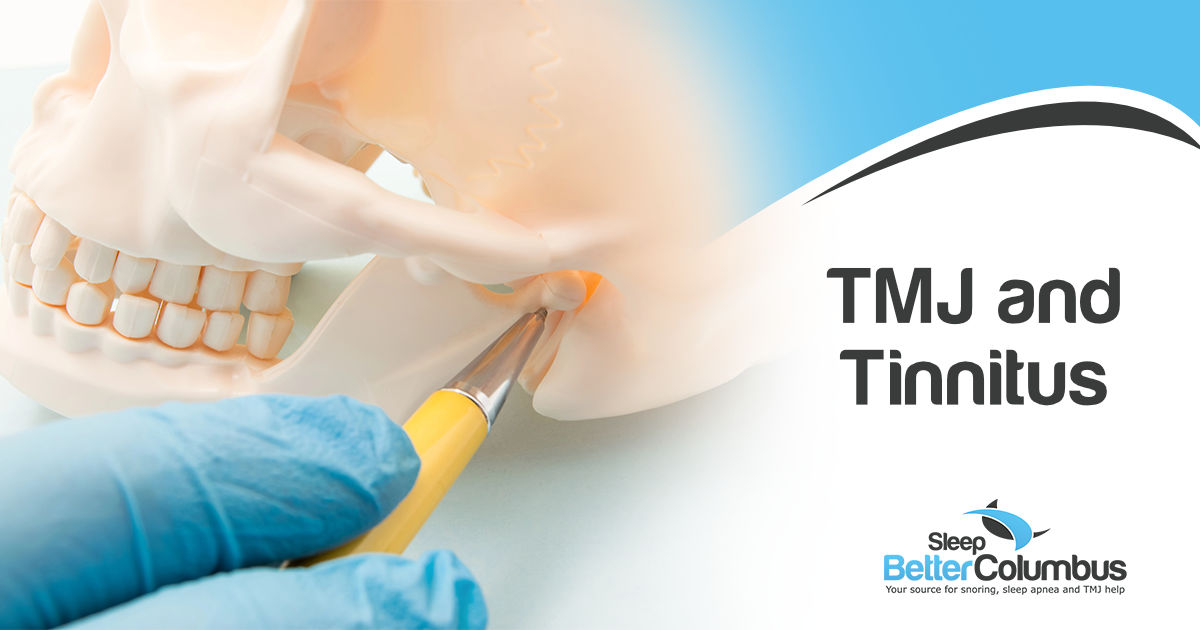
The temporomandibular joint sits directly in front of the ear canal on each side of the head. This close proximity means that inflammation, muscle tension, and joint dysfunction may affect structures located near the ear. As symptoms develop, patients may mistakenly assume the problem originates within the ear itself.
The jaw and ear also share complex nerve networks that help transmit sensory information. Certain nerves involved in jaw function interact with pathways that influence hearing and sound perception. Because of these connections, discomfort or dysfunction affecting the jaw may sometimes alter the way sounds are perceived.
Muscles that control jaw movement extend throughout the face, head, and neck. When these muscles become tight or overworked, they can create pressure and discomfort that radiates into nearby areas. This may explain why some individuals experience ear fullness, facial soreness, headaches, and tinnitus alongside TMJ symptoms.
Can TMJ Cause Tinnitus?
Research suggests that TMJ disorder may contribute to a form of tinnitus known as somatic tinnitus. Somatic tinnitus occurs when sensory input from muscles, joints, or other body structures influences auditory processing. In these situations, the source of tinnitus may not be directly related to hearing loss or damage within the ear.
Not all tinnitus is caused by TMJ disorder. Tinnitus may also be associated with age-related hearing changes, noise exposure, certain medications, circulatory issues, or other medical conditions. A comprehensive evaluation is important because identifying the underlying cause helps guide appropriate treatment recommendations.
Patients with TMJ-related tinnitus often notice a relationship between jaw movement and ear symptoms. For example, ringing may become louder when opening the mouth, clenching the jaw, or chewing. These patterns may provide valuable clues when determining whether TMJ dysfunction is contributing to tinnitus.
How Jaw Dysfunction May Trigger Ear Ringing
One possible explanation involves muscle tension surrounding the jaw and face. Chronic clenching and grinding place significant stress on the muscles responsible for jaw movement. Over time, this tension may affect nearby nerves and structures associated with sound perception.
Joint inflammation may also play a role in the development of tinnitus symptoms. When inflammation occurs within the temporomandibular joint, pressure may increase around surrounding tissues. This irritation may contribute to sensory changes that some patients perceive as ringing or buzzing sounds.
Changes in nerve signaling represent another possible mechanism. Because the jaw and ear share neurological connections, abnormal sensory input from TMJ dysfunction may influence auditory processing. This interaction may help explain why treating jaw-related issues sometimes improves tinnitus symptoms in certain individuals.
Common Signs of TMJ Disorder and Tinnitus Occurring Together
Patients experiencing both TMJ disorder and tinnitus often report a combination of symptoms. Ringing, buzzing, or hissing sounds in the ears may occur alongside jaw discomfort and facial tension. These symptoms may fluctuate throughout the day depending on activity levels and stress.
Jaw pain is one of the most common signs of TMJ dysfunction. Individuals may experience tenderness near the jaw joint, soreness while chewing, or discomfort when opening the mouth widely. Clicking, popping, or grinding sensations may also occur during jaw movement.
Additional symptoms may include headaches, neck pain, shoulder tension, and a sensation of fullness in the ears. Some patients report difficulty chewing certain foods or discomfort when speaking for extended periods. When multiple symptoms occur together, further evaluation may be warranted.
Symptoms That May Suggest Tinnitus From TMJ
Certain patterns may indicate that tinnitus is linked to TMJ dysfunction rather than another underlying cause. Patients experiencing TMJ-related tinnitus may notice one or more of the following symptoms:
- Changes in tinnitus during jaw movement, such as opening the mouth, chewing, or clenching the jaw.
- Tinnitus that becomes more noticeable during periods of stress, when jaw clenching and muscle tension often increase.
- Morning jaw soreness or stiffness, which may suggest nighttime teeth grinding or clenching.
- Facial tension or discomfort upon waking, often accompanied by headaches.
- Ear ringing that occurs alongside jaw pain or tenderness, rather than occurring independently.
- Recurring TMJ flare-ups accompanied by increased jaw tension and discomfort.
Recognizing these patterns can help healthcare providers determine whether TMJ dysfunction may be contributing to tinnitus symptoms.
Risk Factors That Can Contribute to TMJ-Related Tinnitus
Several factors may increase the likelihood of developing TMJ disorder and associated tinnitus symptoms, including:
- Teeth grinding (bruxism) that places repetitive stress on the jaw joints and muscles.
- Frequent jaw clenching, whether during the day or while sleeping.
- Chronic stress, which can increase muscle tension in the jaw, neck, and shoulders.
- Poor posture, particularly forward head posture, which places additional strain on the jaw and surrounding muscles.
- Previous jaw injuries that affect normal joint function.
- Arthritis affecting the temporomandibular joint, leading to inflammation and discomfort.
- Sleep-related conditions that contribute to nighttime grinding, clenching, or increased muscle tension.
Addressing these contributing factors may help improve jaw health, reduce TMJ symptoms, and potentially lessen associated tinnitus symptoms.
How Sleep Disorders May Contribute to TMJ and Tinnitus
Sleep quality plays an important role in muscle recovery, pain regulation, and overall health. When sleep becomes disrupted, the body’s ability to manage inflammation and tension may be affected. As a result, TMJ symptoms may become more noticeable or difficult to control.
Sleep-related teeth grinding, also known as sleep bruxism, is a common contributor to TMJ dysfunction. Many individuals are unaware that they grind or clench their teeth during sleep because the activity occurs unconsciously. Over time, this repetitive strain may increase jaw discomfort and contribute to associated symptoms.
Poor sleep may also heighten pain sensitivity and reduce the body’s ability to cope with physical stress. Patients experiencing both sleep disturbances and TMJ symptoms may benefit from a comprehensive evaluation to identify contributing factors. Addressing sleep-related issues may support overall symptom improvement.
How TMJ and Tinnitus Are Diagnosed
Diagnosis begins with a thorough review of symptoms and medical history. Healthcare providers often ask questions about jaw pain, ear symptoms, headaches, sleep habits, and lifestyle factors that may contribute to muscle tension. Understanding symptom patterns helps guide the evaluation process.
A physical examination may include assessing jaw movement, listening for joint sounds, and checking for tenderness in the muscles surrounding the jaw. Providers may also evaluate posture and examine areas of facial, neck, and shoulder tension. These findings help determine whether TMJ dysfunction is present.
Because tinnitus has many potential causes, additional testing may sometimes be recommended. Hearing evaluations can help identify hearing-related conditions that may contribute to symptoms. Ruling out other causes ensures patients receive the most appropriate treatment recommendations.
Why an Accurate Diagnosis Matters
Tinnitus is a symptom rather than a diagnosis itself. Identifying the underlying cause is essential because treatment approaches vary depending on the source of the problem. A thorough evaluation helps prevent unnecessary treatments and supports more effective symptom management.
TMJ-related tinnitus may respond differently from tinnitus caused by hearing loss or other medical conditions. Understanding the relationship between jaw dysfunction and ear symptoms allows providers to develop targeted treatment strategies. This individualized approach often leads to better outcomes.
Early diagnosis may also help prevent symptoms from worsening over time. Addressing jaw dysfunction before significant strain or inflammation develops can improve comfort and support long-term joint health. Timely intervention may also reduce the impact symptoms have on daily activities.
How TMJ Treatment May Help Reduce Tinnitus Symptoms
Treatment for TMJ disorder focuses on reducing stress placed on the jaw joints and surrounding muscles. By improving jaw function and minimizing strain, patients may experience relief from a variety of associated symptoms. In some cases, tinnitus severity may also improve.
Oral Appliance Therapy for TMJ Disorder and Tinnitus
Custom oral appliances are commonly used to support healthy jaw positioning and reduce pressure on the temporomandibular joints. These devices are designed to fit comfortably over the teeth and help minimize clenching and grinding habits. Reducing excess strain may allow irritated muscles and joints to recover more effectively.
For patients whose tinnitus is linked to TMJ dysfunction, oral appliance therapy may contribute to symptom improvement. While results vary from person to person, reducing jaw stress may help lessen factors that influence auditory pathways. Treatment plans are typically tailored to the individual’s specific needs.
How Oral Appliances Help Reduce Clenching and Grinding
Many patients clench or grind their teeth without realizing it. These habits place repeated stress on the jaw joints and surrounding muscles throughout the day or night. Oral appliances help protect the teeth while reducing the forces associated with these behaviors.
By minimizing excessive jaw muscle activity, oral appliances may decrease inflammation and muscle tension. This can improve comfort and support healthier jaw function over time. Consistent use often plays an important role in achieving lasting results.
Oral appliance therapy may also help stabilize jaw positioning during sleep and reduce excessive pressure on the temporomandibular joints. For patients who experience nighttime clenching or grinding, addressing these habits may support long-term symptom management and improved comfort.
Lifestyle Changes That May Help Reduce TMJ Symptoms
Stress management techniques may help reduce unconscious jaw clenching and muscle tension. Relaxation exercises, mindfulness practices, and regular physical activity can support overall well-being while reducing strain on the temporomandibular joints. Small lifestyle adjustments may have a meaningful impact on symptom control.
Patients may also benefit from avoiding excessive jaw movements during flare-ups. Choosing softer foods, limiting gum chewing, and avoiding habits such as nail biting can help reduce stress on the jaw. Improving posture may further decrease tension affecting the head, neck, and jaw.
Additional Conservative Treatment Approaches
Physical therapy may help improve jaw mobility and reduce muscular tension. Stretching exercises and targeted techniques can support healthier movement patterns while relieving discomfort. Many patients benefit from combining therapy with other conservative treatment strategies.
Heat and cold therapy may provide temporary symptom relief during periods of increased discomfort. Providers may also recommend appropriate pain management strategies when necessary. Conservative treatment approaches are often effective for improving TMJ-related symptoms without invasive procedures.
When to Seek Professional Help for TMJ-Related Tinnitus
Persistent ringing in the ears should not be ignored, particularly when it occurs alongside jaw pain or dysfunction. Symptoms that interfere with daily activities, sleep quality, or overall well-being may indicate the need for professional evaluation. Early assessment can help identify potential causes and appropriate treatment options.
Individuals experiencing difficulty chewing, jaw locking, facial pain, or ongoing ear symptoms should consider seeking care. A comprehensive evaluation can determine whether TMJ dysfunction is contributing to tinnitus and related concerns. Understanding the source of symptoms is the first step toward meaningful relief.
Schedule an Evaluation for TMJ and Tinnitus
If jaw pain, ear ringing, facial tension, or other TMJ symptoms are affecting daily life, a professional evaluation can help identify potential contributing factors. The team at Sleep Better Columbus provides personalized assessments and treatment recommendations designed to improve jaw function and overall comfort. Contact Sleep Better Columbus today to schedule an evaluation and learn whether TMJ treatment may help reduce tinnitus-related symptoms.
